
What Emotional Distance in a Relationship Really Means
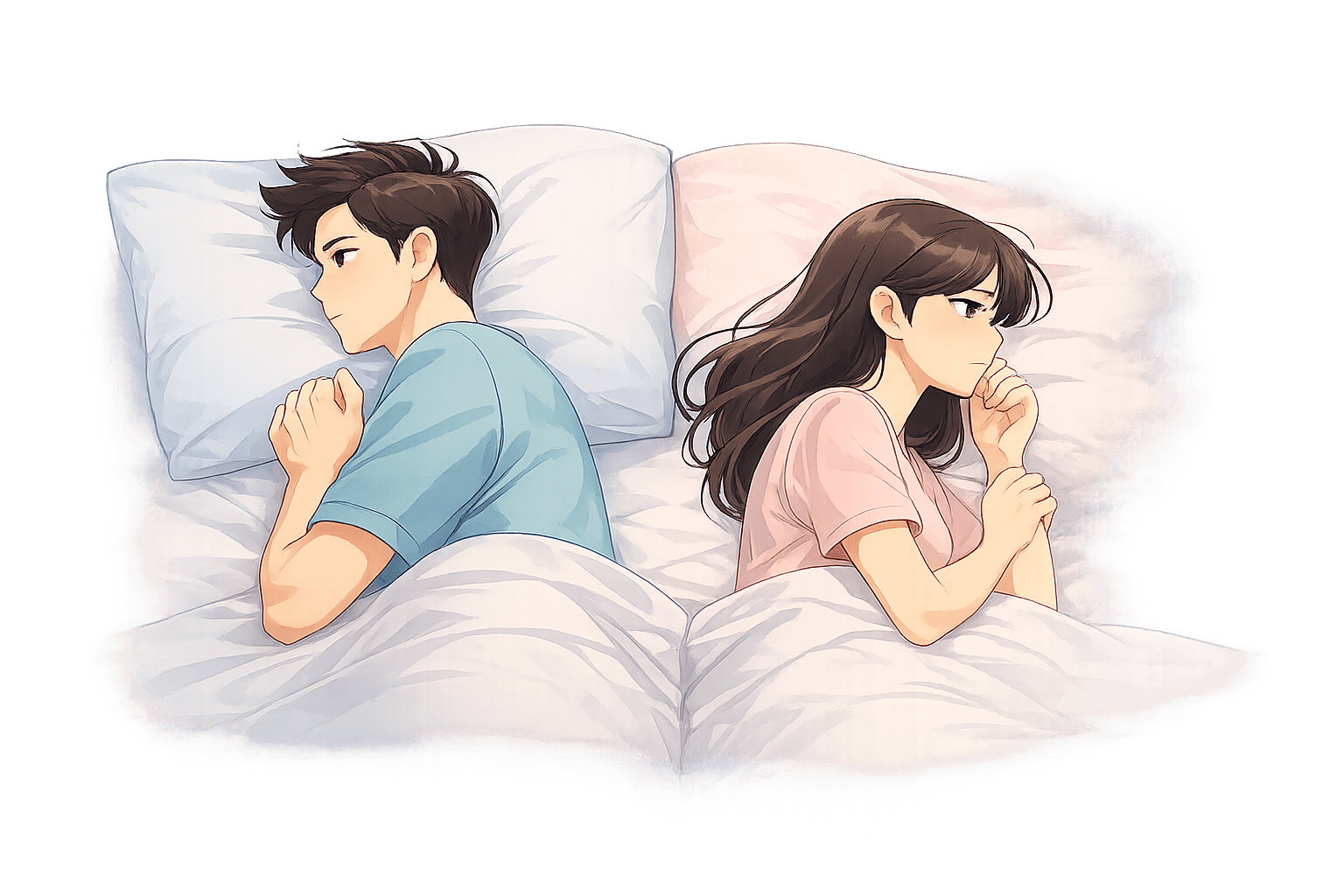
Emotional distance is what it feels like when the connection thins out while the relationship stays intact. Your partner is still there, still answering, still part of your day — but the warmth, the openness, and the easy closeness have quietly dropped away. It usually builds slowly, which is why it tends to be felt long before it can be explained.
Emotional distance — a lasting drop in emotional closeness between partners, where conversations stay on the surface, vulnerability fades, and affection feels effortful, so one or both people feel alone in the relationship even while still together.
Someone described as emotionally distant isn't necessarily uninterested. Stress, burnout, grief, and avoidance can all lower emotional availability without changing how someone feels about you. What tells you more is the pattern over weeks, not any single quiet evening.
Want a clearer read on your relationship dynamic?
Get a Clearer Relationship ReadWhy Emotional Distance Matters
Emotional closeness is one of the main ways people experience safety, reassurance, and connection in a relationship. When that closeness starts changing, the shift can feel significant even when daily routines continue as normal.
This is part of what makes emotional distance hard to interpret. Unlike obvious changes such as fewer dates or shorter replies, emotional distance is often sensed rather than directly observed. A person may not be able to point to one specific behavior. Instead, they notice that conversations feel less emotionally rich, affection feels less spontaneous, or the relationship no longer feels as emotionally easy as before.
Emotional distance also exists in a gray area. It does not always mean a partner is losing interest. Stress, emotional burnout, life transitions, unresolved tension, and personal struggles can all reduce someone’s emotional availability without changing their deeper intentions toward the relationship.
That is why isolated moments rarely tell the full story. What matters more is the broader pattern: reduced openness, less emotional initiative, flatter connection, and a growing sense of separation over time.
Emotional distance rarely happens in isolation. It often overlaps with communication changes, reduced affection, and shifts in effort that make the relationship feel less emotionally mutual over time.
If emotional distance is making you wonder about the broader relationship pattern, see Signs Your Partner May Be Losing Interest.
Looking at emotional distance in that wider way helps people understand the relationship more clearly, instead of forcing too much meaning onto one conversation or one off day.
Articles to Explore
He's Been Distant Since Starting His New Job — Adjustment Period or the New Normal?
He started a new job and went distant. What a normal adjustment window looks like, how long it lasts, and when the distance stops being about work.
He's Been Distant Since We Got Back From Our Trip — Re-Entry Slump or Losing Interest?
The trip went well — then he came home quiet. What post-vacation distance usually means, and how to tell re-entry slump from losing interest.

My Boyfriend Is Grieving and Pushing Me Away — Grief or Goodbye?
He's grieving a loss and pushing you away. How to tell grief-withdrawal from a quiet exit — and how to stay close without crowding him.

Why Men Pull Away When They're Falling in Love — How to Tell Fear From Fading Interest
Some men retreat exactly as feelings deepen. How to tell a fear-driven pullback from fading interest — and what to watch over the next few weeks.

He Lost His Job and He's Pushing Me Away — Shame, Retreat, or Goodbye?
He lost his job and now he's pulling away. How to tell provider-shame withdrawal from real disinterest — and how to stay close without wounding his pride.
He's Distant After a Fight — Is He Pulling Away or Just Cooling Off?
He's been distant since your last fight and you can't tell if he's just cooling off or actually pulling away. Here's how to read post-argument silence.
He Changed After We Moved In Together — Cooling Off or Losing Interest?
He got distant after you moved in together and you can't tell if it's normal cooling off or him losing interest. Here's how to read the shift after the move.

I Lost Myself in This Relationship — How to Find Your Way Back While He's Distant
You disappeared into the relationship, and now that he's distant there's no separate you left to stand on. How to find your way back to yourself.
Avoidant Attachment and Pulling Away: Why Some Men Distance the Moment You Get Close
Does he distance the moment you get close? How avoidant attachment and deactivating strategies drive pulling away — and whether it can change.

He Pulled Away After I Said 'I Love You' First — What It Means
You said 'I love you' first and he went quiet or distant. What pulling away after a confession really means — and whether you scared him off.

My Husband Feels Distant Since We Had a Baby — Transition or Real Withdrawal?
Husband feels distant since the baby arrived? How to tell normal new-parent strain — sleep loss, mental load, a sex drought — apart from real withdrawal.
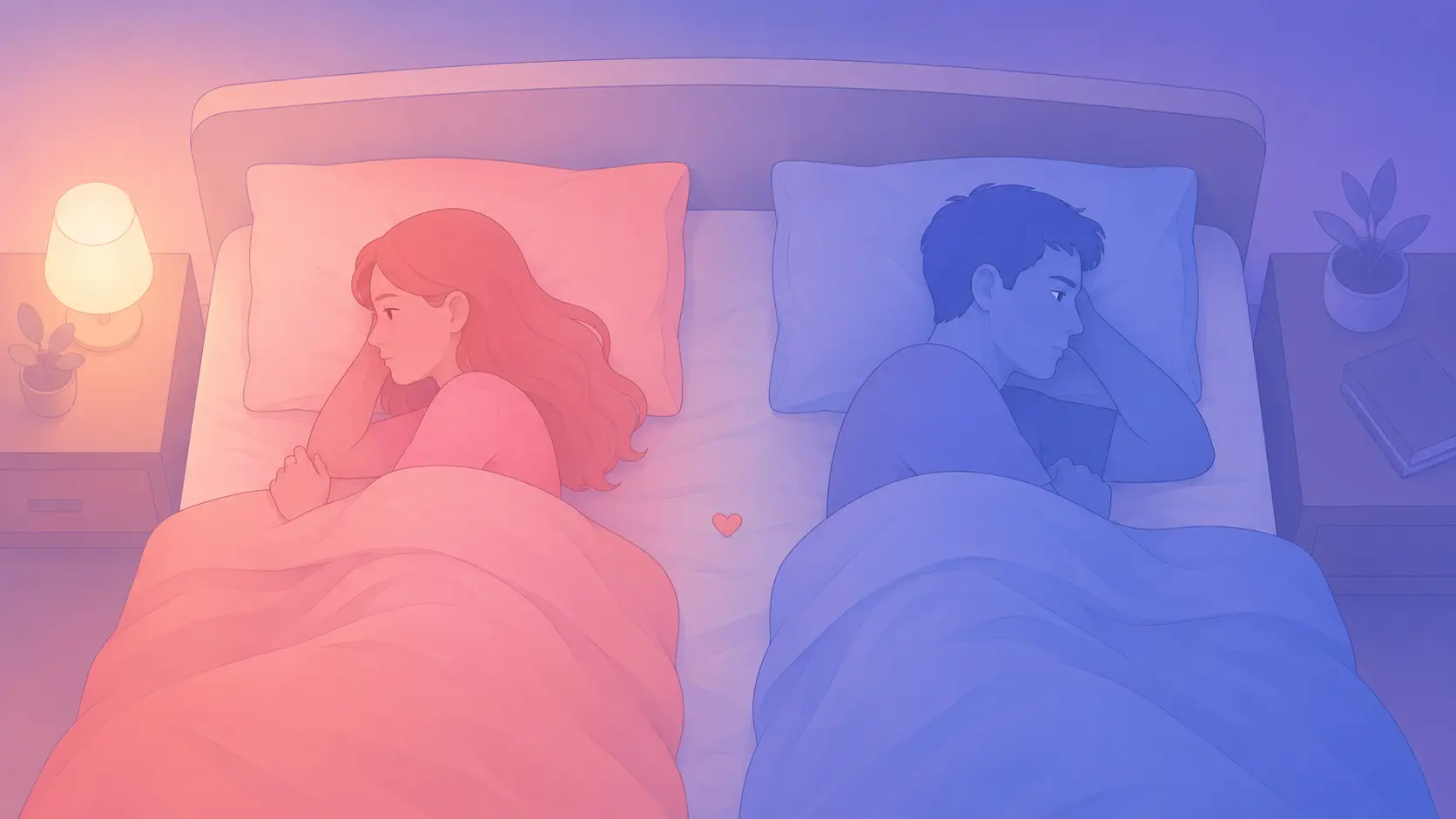
Is My Husband Losing Interest? Why Withdrawal Looks Different in a Marriage
Married withdrawal hides inside shared logistics and routine. Here's how a husband losing interest differs from a boyfriend pulling away — and how to read it.

He Pulled Away After We Slept Together — What It Actually Means
He got distant right after you slept together and you can't tell why. Here's what post-intimacy withdrawal usually means — and the four causes behind it.

Signs He's Emotionally Checked Out of the Relationship
He's physically there but feels a million miles away. Here are the real signs he's emotionally checked out — and the one distinction that tells checkout apart from stress.
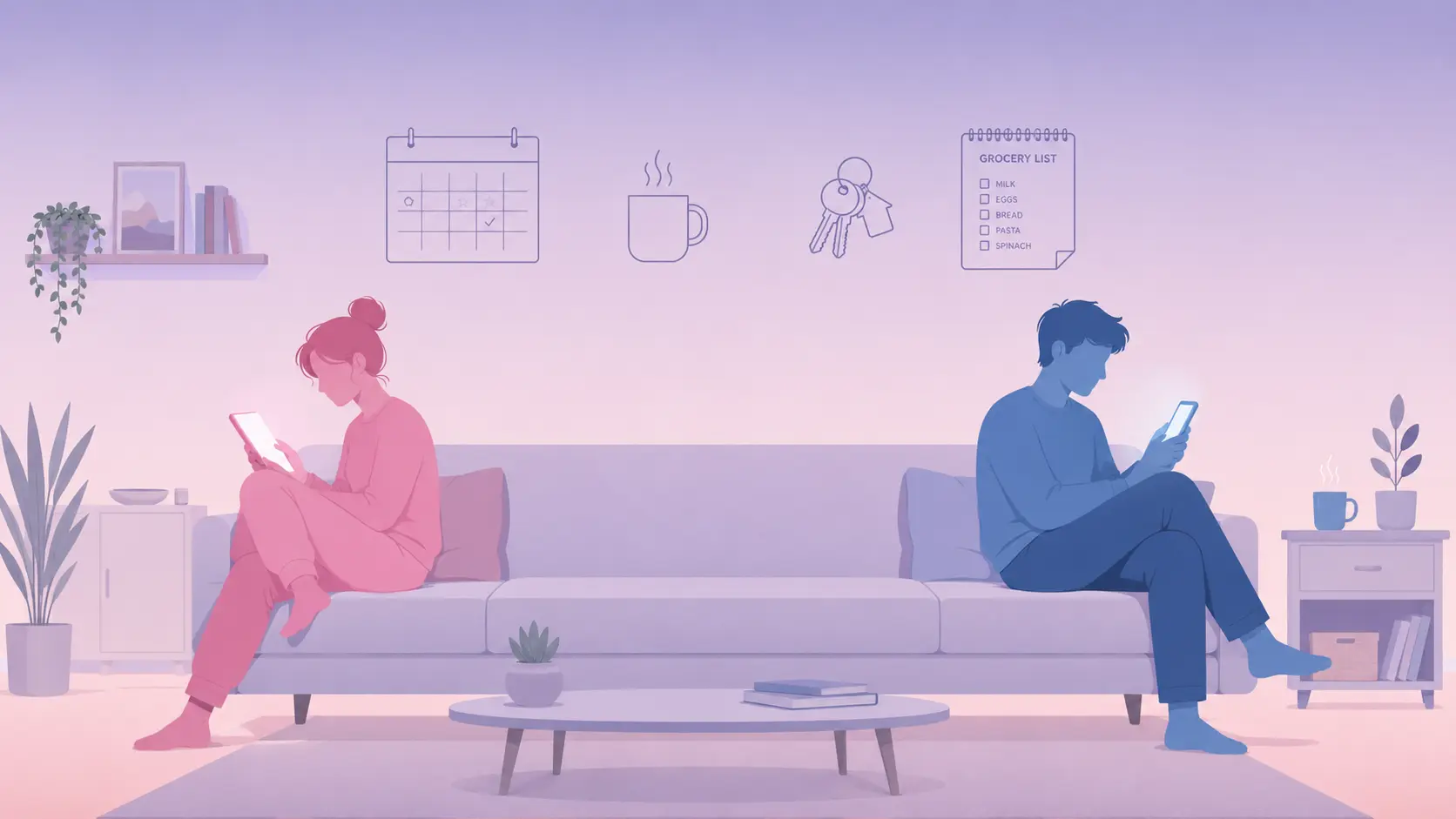
We Feel Like Roommates, Not a Couple — Why
When you feel like roommates not a couple — logistics run fine but the romance is flat — it's usually one of four things. Here's how to tell which one you're in.

Why Doesn't My Boyfriend Comfort Me When I'm Upset?
When the person closest to you doesn't show up in the moments you need them most, the absence cuts deeper than any argument. Here's what comfort-avoidance usually really means.

Why Does My Boyfriend Pick His Phone Over Me?
When your boyfriend chooses his phone over being present with you, the issue is rarely the phone itself — it's what the phone is replacing. Here's what that pattern usually means.

Why Is My Boyfriend So Cold Toward Me All of a Sudden?
When your boyfriend suddenly turns cold — distant, short, emotionally shut off — it's hard to know if it's a phase or something deeper. Here's what sudden cold usually means.

Why Your Relationship Feels Different After a Year
If your relationship feels different after a year — less exciting, less close, or harder to read — this guide explains what normally changes, what doesn't, and when the shift means something deeper.
Is Your Boyfriend Losing Interest or Just Stressed?
If your boyfriend feels distant and you cannot tell whether he is losing interest or going through stress, this guide explains how to tell the difference and what each pattern actually looks like.

Why You Feel Disconnected From Your Partner
If you feel disconnected from your partner, even though the relationship still exists on the surface, this guide explains what that pattern can mean and why it starts to matter.
When It Feels Hard to Talk About Important Things With Your Partner
If it feels hard to talk to your partner about important things, serious topics, or relationship concerns, this guide explains what that pattern can mean and why it matters.
Why Your Relationship Feels Emotionally Distant
If your relationship feels emotionally distant, this guide explains the signs of emotional distance, why it happens, and what that shift can mean over time.

When Your Partner Feels Emotionally Unavailable
If your partner feels emotionally unavailable, emotionally closed off, or hard to reach, this guide explains the signs, causes, and what that pattern can mean in a relationship.

Why You Feel Alone in Your Relationship
If you feel alone in your relationship, this guide explains why a relationship can feel lonely, the signs of relationship loneliness, and what that pattern may mean over time.
Putting These Changes in Context
Emotional distance rarely appears as one clean, obvious signal. More often, it emerges through a combination of subtle changes: less emotional openness, lower warmth, more surface-level conversations, and a quieter sense of separation that builds gradually over time.
On their own, these patterns may not mean very much. A partner may feel stressed, overwhelmed, emotionally tired, or inwardly preoccupied. But when several of these shifts begin appearing together, the relationship can start feeling meaningfully different even if nothing dramatic has happened on the surface.
Emotional distance makes the most sense when viewed alongside other patterns in the relationship, including communication changes, reduced affection, lower effort, and a changing sense of emotional mutuality. That broader picture usually reveals more than any single moment could on its own.
If you're wondering whether your partner may be losing interest, you can explore the full guide here: