Early cooling
Honeymoon Phase Over After a Month — Normal Cooling or Losing Interest?
Four weeks ago he texted good morning before you'd even opened your eyes. He planned things. He looked at you across the table like you were the most interesting person in the room, and you felt it in your chest every time your phone lit up with his name. Now it's about a month in, and something has quietly changed key. The replies come a little slower. The messages are a little shorter. Last night he suggested you both just stay in rather than the elaborate date he'd have engineered three weeks ago — and a small, cold thought slid in: is the honeymoon phase over already, and is that the same thing as him losing interest?
You are not being dramatic, and you are not imagining the shift. Something has changed — that part is real, and your radar is working exactly as it should. But here's what nobody tells you in the giddy first fortnight: a change in intensity and a change in interest are two completely different things that happen to feel identical from the inside. One is the natural, almost boringly universal cooling that every new relationship goes through as the novelty chemicals settle. The other is a genuine fading of investment. This guide is about telling those two apart — early, honestly, and without either talking yourself into a panic or talking yourself out of a real red flag.
What the "honeymoon phase" actually is — and why a month is normal
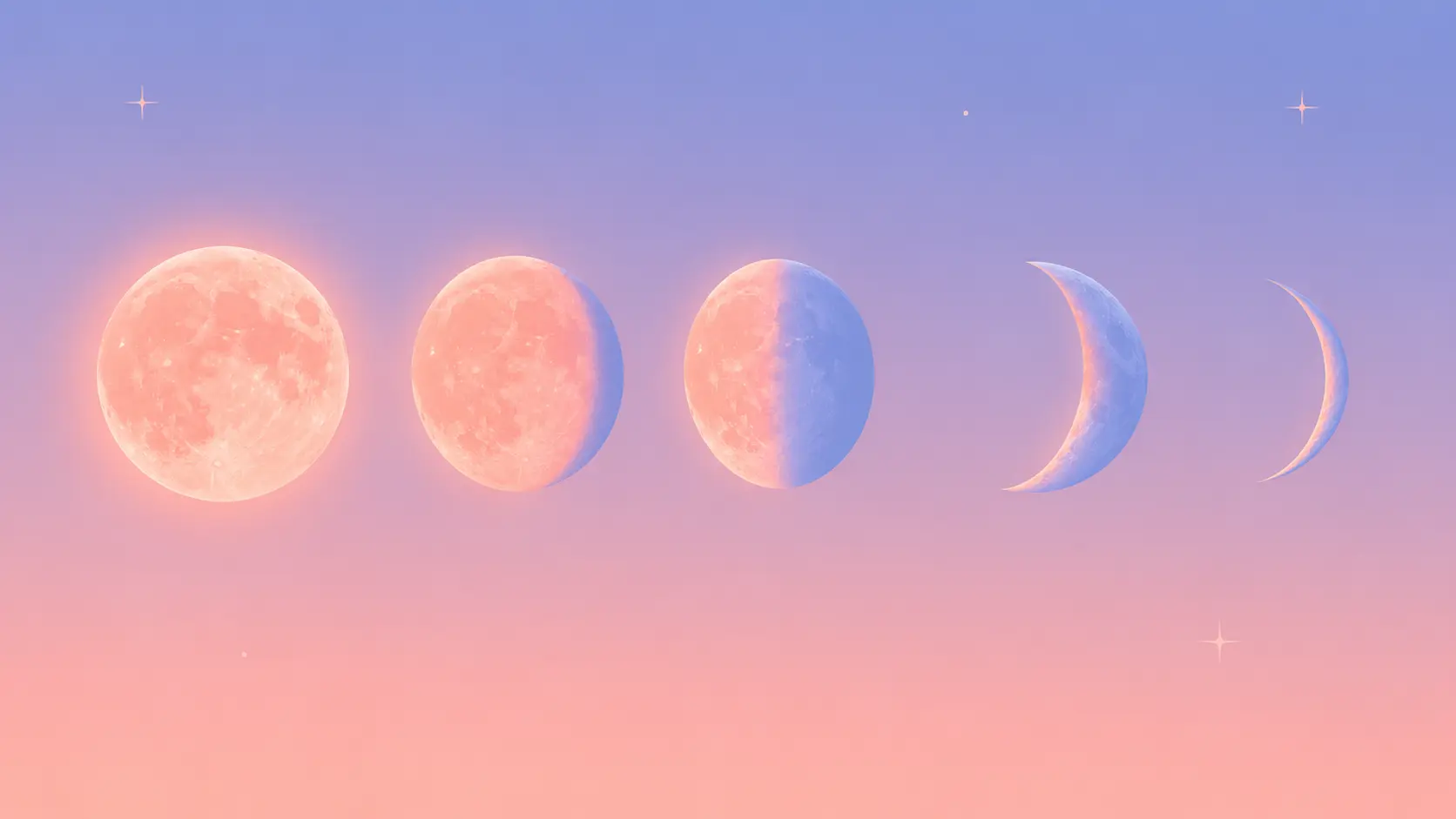
The honeymoon phase isn't a personality — it's a chemistry event. In the first weeks of a new connection, your brain runs unusually high on dopamine and norepinephrine — the novelty surge behind the racing heart, the can't-stop-thinking-about-him focus, and the sense that ordinary Tuesday evenings are suddenly cinematic. It feels like who he is. It's actually closer to a state you're both temporarily in.
That state is not built to last, and it was never meant to. For some couples the peak intensity lasts a few months; for plenty of others the first real settling is noticeable around the four-to-six-week mark, once the novelty stops being novel and your nervous systems stop treating every interaction like a first. So the honest answer to is the honeymoon phase supposed to end this fast? is: sometimes, yes — a month is well within the normal range, especially if you saw each other intensely and often at the start. Fast-burning beginnings tend to settle sooner precisely because they burned so hot.
Here's the reframe that changes everything: the honeymoon phase ending is not the relationship losing something. It's the relationship asking a question. The fireworks recede and reveal what's underneath — and what's underneath is either genuine warmth and interest, or it's the realisation that the fireworks were most of what was there. The cooling doesn't cause the answer. It just uncovers one that was always going to arrive.
Normal cooling vs losing interest: the one distinction that separates them
If you remember nothing else, remember this: normal cooling changes the intensity of connection; losing interest changes the direction of it. When a relationship is simply settling, the volume comes down but he is still turned toward you — the effort just gets quieter and more woven-in. When someone is actually losing interest, the movement is away — the effort doesn't soften, it withdraws, and the warmth doesn't relax, it cools.
Put concretely. In healthy cooling, the three-times-a-day good morning texts might become one warm one — but he still wants to know how your interview went. The grand dates become nights in — but he's genuinely happy you're there, present, laughing. The obsessive can't-look-away energy mellows — but it's replaced by an easy, comfortable reaching for you. The signal isn't the drop in quantity. It's that the caring survives the drop.
With fading interest, the caring goes down with the intensity. He's not just texting less — he's asking less, curious about less, initiating less, and you can feel the pull of his attention drifting somewhere you're not. So don't audit the volume; audit the vector. When the sparks dimmed, did he move closer and calmer, or further and cooler? That one question does more diagnostic work than any tally of texts or dates — because at a month in, quantity is meant to fall for everyone, and only the direction tells you who's still coming toward you.
If you keep re-reading the same week of texts trying to decide which direction he moved, that's a sign the pattern is genuinely hard to read from the inside — which is normal at a month in. Our 2-minute quiz is built to read the specific pattern in his behaviour and tell you whether you're looking at ordinary settling or an early fade.
The four things early distance usually is
When a man pulls back a month into dating, it's almost always one of these four — and only one of them is actually about waning interest. Working out which you're looking at matters far more than the distance itself.
1. Natural settling (the honeymoon curve doing its job)
The most common cause, and the most benign. The novelty chemicals are levelling off and he's relaxing into something that feels less like a performance and more like real life. This is easy to mistake for cooling because it is cooling — of intensity, not of interest. The tell: the warmth is still there when you're actually together, and he's not avoiding contact, just running it at a sustainable volume.
2. His own pace catching up with him
Some men throw themselves fully into the exciting opening and then, around the one-month mark, feel the first flicker of this is becoming real — and instinctively create a little breathing room. This can look like withdrawal but is often a nervous-system recalibration, not a loss of feeling — and for some men the retreat arrives precisely because the feelings are deepening, which is why a pullback that starts as he's falling can look identical to fading interest in the first week. It's especially common right after the relationship deepens physically; if that's your timeline, our piece on when he pulled away after you slept together walks through this exact pattern.
3. Ordinary life reasserting itself
The first weeks of dating often happen in a bubble where he cleared his schedule and ignored his stress to be with you. Around a month in, real life — work, deadlines, friends, family, his own low weeks — floods back. The reduced availability can read as reduced interest when it's really just the return of a normal, un-cleared calendar. A man in this category still lights up when he sees you; he just has less runway.
4. Genuinely fading interest
And sometimes, yes — the honeymoon phase ending coincided with him realising the spark was most of what held him. This is the real thing, and it deserves to be named rather than explained away. What separates it from the other three is the direction test above, plus a specific quality: the distance feels one-directional and it doesn't respond to you. You reach, and nothing reaches back. If that's what you're sensing, our guide to the early signs a partner is losing interest breaks down what that looks like when it's real.
The tells that separate benign cooling from a real fade
Direction is the master signal, but here are the concrete tells that make it visible. Look for the cluster, not any single one — a slow-reply day means nothing; a consistent pattern means something.
Signs it's likely just cooling:
- He still asks about your life — your day, your worries, the things you told him mattered.
- The effort changed shape rather than disappearing (fewer grand gestures, but he still shows up, still plans some things, still initiates).
- The warmth is intact in person even when the texting has calmed down.
- When you gently name that you miss the closeness, he moves toward you rather than getting defensive or vague.
- He's still folding you into his future in small ways — next week, a plan, a 'we should.'
Signs it may be a genuine fade:
- Curiosity has dried up — he's stopped asking, stopped remembering, stopped following up.
- You've become the only engine: you initiate, you plan, you carry the momentum, and it goes quiet the moment you stop.
- The distance is there in person too, not just over text — he's physically present but somewhere else.
- Naming it makes things worse, not better — he minimises, deflects, or leaves you feeling needy for noticing.
- The future has quietly emptied out of his language.
Reading these two lists and finding yourself genuinely split — some from column A, some from column B — is one of the most common places to land at a month in. If that's you, our 2-minute quiz weighs the specific mix of his behaviours and tells you which pattern the cluster actually points to, instead of leaving you to referee it alone at 2am.
What to actually do a month in
First, resist the two instincts that make everything worse: don't chase harder to recreate the intensity, and don't preemptively pull away to protect yourself. Chasing tends to accelerate a genuine fade and smother a healthy settle; withdrawing tests him in a way that punishes the benign cases as much as the real ones. Both are attempts to control an answer that only time and honest observation can give you.
Instead, do three quieter things. Watch the direction over a couple of weeks rather than reacting to a single flat evening — patterns tell the truth that moments can't. Keep living your own full life rather than reorganising it around reading his; a lot of what feels like his cooling is actually the vacuum left when you stopped filling your own weeks. And when the moment is calm and low-stakes, say the true thing simply: I've loved how close this has felt — I've noticed it's shifted a bit and I wanted to check in. How he responds to that one honest sentence is often more diagnostic than a month of guessing. A settling man softens and reassures; a fading one deflects.
There's also one move that's specific to being this early, and it's easy to miss: don't try to manufacture the honeymoon back. The instinct — to plan a bigger date, dial your own intensity up, engineer the chemistry back to its old pitch — feels like repairing something, but novelty chemicals can't be summoned on command, and chasing the old high mostly stops you seeing the new, quieter baseline for what it is. A month in, you simply haven't lived enough shared history yet for steadiness to feel like enough; that reservoir fills over the next few months, not this week. So the real task isn't reviving the fireworks — it's giving the calmer phase a fair runway to show you whether something warm is genuinely growing in the space they left.
If your own anxiety is running the analysis — if you're checking his 'last seen,' rehearsing conversations, and spiralling faster than his behaviour actually warrants — that's worth addressing directly and separately, because an anxious read can manufacture a fade that isn't there. Our guide on how to stop being anxious in your relationship is built for exactly that spin, and the companion piece on whether you're overthinking or he's genuinely losing interest helps separate the two voices. It's also worth remembering that this is the same intensity curve, just far earlier, that later makes a long relationship feel different after a year — the settling never really stops; it just arrives in gentler waves.
Above all, hold this lightly: a month is early, and early is supposed to be a little uncertain. The goal isn't to lock down a verdict tonight. It's to stop mistaking a normal, universal cooling for a catastrophe — while staying honest enough to notice if it's actually the other thing. Both deserve the truth. Neither deserves your panic.
Common questions about the honeymoon phase ending after a month
Is the honeymoon phase supposed to end this fast — after just a month?
Yes, a month is well within the normal range, especially if your first weeks were intense and you saw each other often. The honeymoon phase is driven by novelty chemistry that naturally levels off, and fast, hot beginnings tend to settle sooner precisely because they burned so bright. Ending at a month says nothing on its own about whether he's losing interest. What matters is what the cooling reveals underneath it — warmth and effort, or emptiness.
How do I tell normal cooling apart from him actually losing interest?
Ask about direction, not volume. Normal cooling lowers the intensity while he stays turned toward you — still curious, still warm in person, still initiating in a quieter way. Losing interest moves him away — the caring drops along with the sparks, curiosity dries up, and you become the only one keeping momentum. When the fireworks dimmed, did he move closer and calmer, or further and cooler? That single question separates the two better than any checklist.
He's pulling away a month into dating — does that always mean it's over?
No. Early distance is usually one of four things, and only one is fading interest. It's often natural settling, his own pace catching up as things get real, or ordinary life flooding back after the first bubble weeks. A genuine fade has a specific quality: it's one-directional and doesn't respond to you — you reach and nothing reaches back. If the warmth is still there when you're actually together, you're most likely watching a settle, not an ending.
Should I say something, or will that push him away?
Say something — but keep it calm, low-stakes, and free of accusation. A simple, warm line like 'I've loved how close this felt and I noticed it's shifted a bit, so I wanted to check in' is not needy; it's clear. How he responds is one of the most diagnostic signals you'll get. A man who's just settling softens and reassures you; a man who's fading deflects, minimises, or leaves you feeling foolish for asking.
What if I'm just anxious and reading too much into it?
That's a real and common possibility, and it's worth taking seriously because an anxious read can invent a fade that isn't actually there. If you're checking his 'last seen,' rehearsing conversations, and spiralling faster than his behaviour warrants, the analysis may be your anxiety rather than his cooling. The fix is to watch his actual pattern over a couple of weeks rather than reacting to single flat evenings, and to regulate the spin separately from the question of what he's doing. Real shifts show up as consistent clusters, not one slow-reply Tuesday.
Key takeaway
Here's what to hold onto: the honeymoon phase ending after a month is not a verdict on your relationship — it's a chemistry timeline doing exactly what chemistry timelines do. Early intensity is designed to fade so that something steadier can grow underneath it. What matters is not whether the fireworks dimmed but what got left behind when they did: warmth, curiosity, effort, and a man who still turns toward you. If those are intact, you're watching a relationship deepen, not die. If they've gone quiet along with the sparks, that's a different and more honest conversation. The trouble is that from the inside, benign cooling and early disinterest feel almost the same — which is exactly the pattern our 2-minute quiz was built to read. Answer a few honest questions about how he's actually behaving this past week, and let it show you which curve you're really on.
Keep exploring this topic
Continue reading in Signs Your Partner May Be Losing Interest or return to Relationship Signals & Patterns.